
+212772661260
info@triptikum.com
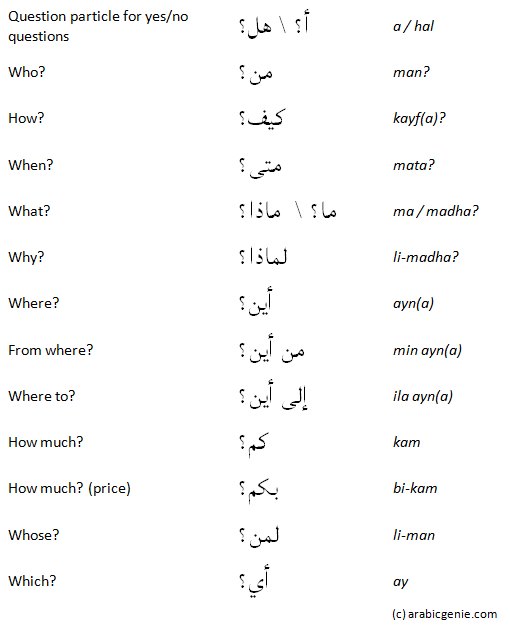
Traveling to Morocco is easier and more enjoyable when you know a few local words. Moroccan Arabic, known as Darija, is spoken every day in cities, villages, markets, restaurants, taxis, and shops.
You do not need to speak Darija fluently to travel around Morocco. Learning even a few simple words can help you communicate with local people, order food, ask for directions, shop in the souks, and make your trip more enjoyable.
Moroccans generally appreciate visitors who make an effort to speak a few words of Darija. Even if your pronunciation is not perfect, saying a simple “Salam” or “Shukran” can make a friendly difference.
Salam (سلام) means hello.
It is one of the easiest and most useful Moroccan words to learn. You can use it when entering a shop, meeting someone, starting a conversation, or greeting your hotel staff.
You may also hear:
Salam alaykum – Peace be upon you / Hello
The common response is:
Wa alaykum salam – And peace be upon you.
Shukran (شكرا) means thank you.
Use it when someone helps you, gives you directions, serves you food, carries your luggage, or gives you a good service.
For example:
Shukran bezaf – Thank you very much.
“Bezaf” means a lot / very much.
Afak (عفاك) means please.
It is a very useful word when asking for something politely.
For example:
Atini lma afak – Give me water, please.
Afak, fin kayn taxi? – Please, where is the taxi?
You will hear this word frequently in everyday conversations.
Smah lia (سمح ليا) can mean excuse me or sorry.
It is useful when you want to get someone's attention, pass through a crowded place, or apologize.
For example, when walking through a busy souk, you can say:
Smah lia – Excuse me.
You may also hear smah liya depending on pronunciation.
Wakha (واخا) means okay, alright, or sure.
It is one of the most common words in Moroccan Darija.
For example:
Wakha, nshufu. – Okay, let's see.
If a Moroccan tells you something and you want to say “okay,” simply saying wakha works in many situations.
La shukran means no, thank you.
This is especially useful in busy markets and souks when you do not want to buy something.
You can say:
La shukran, ma bghitsh.
This means:
No thank you, I don't want it.
It is a polite way to refuse an offer.
Naam (نعم) means yes.
You may also hear ah or iyeh in informal Moroccan conversations.
For a traveler, naam is easy to remember and understood by Arabic speakers.
La (لا) means no.
It is a very simple and useful word.
You can combine it with shukran:
La, shukran. – No, thank you.
Shopping in Moroccan markets is one of the highlights of traveling in Morocco. The souks of Marrakech, Fes, Meknes, and other cities are full of spices, carpets, leather products, clothing, pottery, lamps, and souvenirs.
Knowing a few Darija words can make shopping easier.
Bshhal? (بشحال؟) means how much?
This is probably one of the most useful words for travelers.
When you see something you want to buy, simply ask:
Bshhal hada? – How much is this?
For something feminine, you may hear:
Bshhal hadi? – How much is this?
You will use this phrase frequently in Moroccan souks and shops.
Ghali (غالي) means expensive.
If you think something costs too much, you can say:
Ghali bezaf! – Very expensive!
This can also be the beginning of a friendly negotiation.
Rkhas means cheap or inexpensive.
You might ask a shopkeeper:
Ma kaynsh chi taman arkhas?
This means approximately:
Is there a cheaper price?
Nqes shwiya means reduce it a little.
This phrase can be useful when bargaining in markets.
For example:
Nqes shwiya afak. – Reduce it a little, please.
Remember that bargaining is common in many Moroccan souks, but it should normally be done in a friendly and respectful way.
Food is an important part of any trip to Morocco. You will find Moroccan dishes such as tagine, couscous, pastilla, harira, and many types of bread and salads.
A few simple words can make ordering food easier.
Lma (الماء) means water.
You can say:
Lma afak. – Water, please.
You may also want to specify bottled water:
Lma ma3daniya – Mineral/bottled water.
Atay (أتاي) means tea.
Moroccan mint tea is one of the country's most famous drinks.
You can say:
Atay afak. – Tea, please.
If you enjoy Moroccan tea, learning this word will definitely be useful.
Khobz (خبز) means bread.
Bread is served with many Moroccan meals and is commonly used to eat tagine and other dishes.
Lham (لحم) means meat.
You may see different types of meat on restaurant menus.
For example:
Lham belghnem – Lamb meat.
Djej (دجاج) means chicken.
If you want chicken, you can ask:
Djej afak. – Chicken, please.
Ma bghitsh means I don't want.
This can be useful if you have a food preference or do not want a particular ingredient.
For example:
Ma bghitsh lham. – I don't want meat.
Morocco has trains, buses, taxis, private transfers, and many other ways to travel between cities and towns.
These words can help you ask for directions.
Fin? means where?
It is a very useful word.
For example:
Fin kayn l'hôtel? – Where is the hotel?
Fin kayna station? – Where is the station?
Liymin means right.
You may hear it when someone is giving directions.
Lissar means left.
For example:
Sir lissar – Go left.
Noud can be used in different everyday contexts, including telling someone to get up or move up.
For travelers, however, it is better to learn complete direction phrases rather than relying on one word.
Sir means go.
For example:
Sir nishan – Go straight.
“Nishan” means straight.
The word taxi is also commonly used in Morocco.
You can ask:
Fin taxi? – Where is the taxi?
Before taking a taxi, it is a good idea to confirm the destination and understand how the fare will be calculated.
Learning a few numbers can be very helpful when shopping, taking taxis, or talking about prices.
Here are some commonly used Moroccan Arabic numbers:
Wahed – One
Jouj – Two
Tlata – Three
Arbaa – Four
Khamsa – Five
Setta – Six
Sebaa – Seven
Tmenya – Eight
Tessaa – Nine
Ashra – Ten
For example, if a shopkeeper tells you a price, recognizing numbers can help you understand what you are being asked to pay.
You can also use a few simple words when staying at a hotel or riad.
Hotel – Hotel
Bit – Room
Miftah – Key
Hammam – Bathroom / traditional bath, depending on context
Lma skhoun – Hot water
Lma bard – Cold water
If you need help, you can say:
Afak, 3afak? – Please / excuse me.
Even if you do not speak Darija, you will probably hear some of these words during your trip.
Hada means this for a masculine noun.
Hadi is commonly used for this with feminine nouns.
Bezaf is extremely common.
For example:
Shukran bezaf – Thank you very much.
Shwiya means a little.
For example:
Sber shwiya – Wait a little.
Daba means now.
You may hear it constantly in everyday Moroccan conversations.
Mzyan means good, nice, or fine.
For example:
Mzyan! – Good!
Zwina is commonly used for something feminine.
You may hear:
Marrakech zwina – Marrakech is beautiful.
One of the most useful phrases for travelers is:
Ma fhemtsh.
It means:
I don't understand.
If someone is speaking Darija too quickly, you can say:
Ma fhemtsh, afak. – I don't understand, please.
You can also ask:
Kat-hder anglais? – Do you speak English?
Or:
Kat-hder français? – Do you speak French?
Many people working in tourism speak some English, French, Spanish, or other languages, especially in popular tourist destinations.
If you want to tell someone that you only know a little Arabic, you can say:
Kan-hder l3arbiya shwiya.
This means:
I speak a little Arabic.
It can be a friendly way to start a conversation with a local person.
Hopefully, you will never need these words, but they can be useful.
Police – Police
Tbib – Doctor
Sbitâr – Hospital
Mosaada – Help
3afak, 3awni – Please, help me.
If you have a serious emergency, contact the appropriate local emergency service or ask hotel staff or another trusted person for immediate assistance.
Here are some of the most useful phrases to save on your phone before your trip:
| Moroccan Arabic | English |
|---|---|
| Salam | Hello |
| Shukran | Thank you |
| Shukran bezaf | Thank you very much |
| Afak | Please |
| Smah lia | Excuse me / Sorry |
| Wakha | Okay |
| Naam | Yes |
| La | No |
| La shukran | No, thank you |
| Bshhal? | How much? |
| Ghali | Expensive |
| Nqes shwiya | Reduce it a little |
| Fin? | Where? |
| Sir | Go |
| Nishan | Straight |
| Liymin | Right |
| Lissar | Left |
| Lma | Water |
| Atay | Tea |
| Khobz | Bread |
| Djej | Chicken |
| Lham | Meat |
| Ma bghitsh | I don't want |
| Ma fhemtsh | I don't understand |
| Daba | Now |
| Shwiya | A little |
| Bezaf | A lot / Very |
| Mzyan | Good / Nice |
| Zwina | Beautiful / Nice |
You do not need to memorize hundreds of Moroccan Arabic words before your trip. Start with the basics: Salam, Shukran, Afak, Bshhal, Fin, Wakha, and La shukran.
Try to use these words when speaking with shopkeepers, taxi drivers, restaurant staff, hotel workers, and local people. Even a few words can make communication easier and can create a more friendly interaction.
It is also important to remember that Moroccan Arabic has different pronunciations and expressions depending on the region and the person speaking. You may hear a word pronounced slightly differently from what you learned online.
Most importantly, do not worry about making mistakes. Moroccans are used to visitors who do not speak Darija. A simple “Salam” and “Shukran”, said with a smile, is already a great start.
Learning a few Moroccan words before your trip will not only help you communicate — it can also help you connect with Moroccan culture and enjoy your journey in a more local way.

Comments