
+212772661260
info@triptikum.com
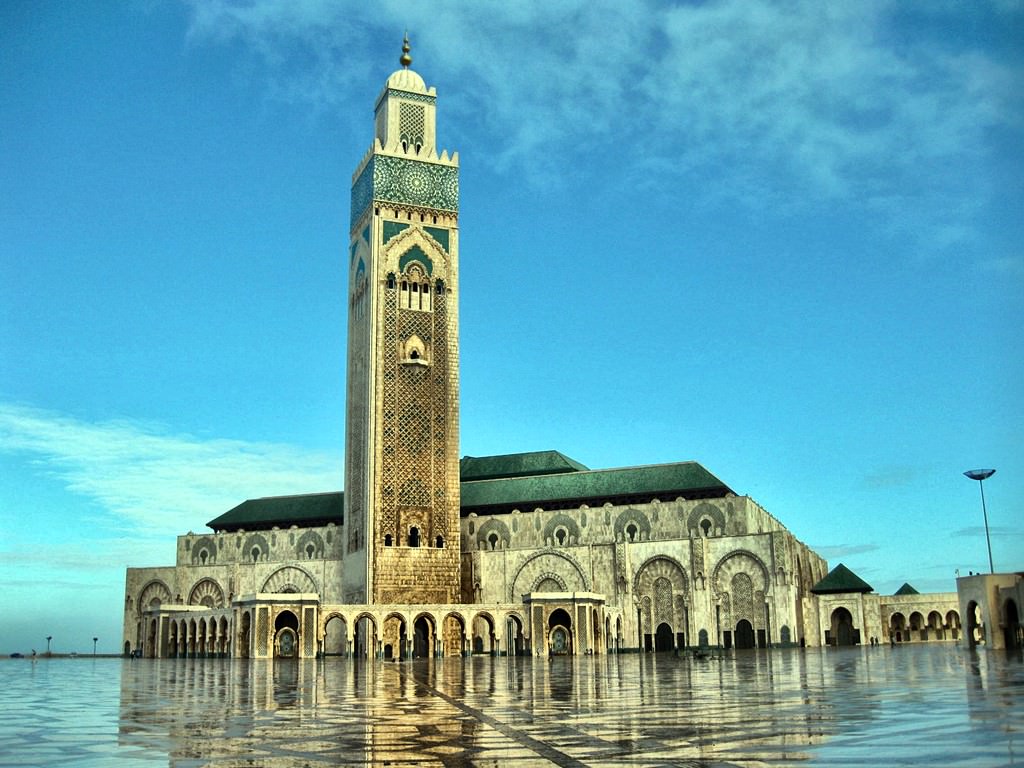
Morocco is one of the most fascinating countries in North Africa. Located between the Atlantic Ocean, Mediterranean Sea, and the Sahara Desert, Morocco offers a unique combination of ancient cities, diverse landscapes, rich culture, and centuries of history.
From the famous medinas of Marrakech and Fes to the Atlas Mountains and the Sahara Desert, Morocco has something for every type of traveler.
If you are planning a trip to Morocco, learning a few interesting facts about the country can make your journey even more enjoyable. Here are 15 important and interesting facts about Morocco that every traveler should know.
Morocco is located in the northwest corner of Africa. It has coastlines along both the Atlantic Ocean and the Mediterranean Sea.
The country is separated from Europe by the Strait of Gibraltar, with Spain only a short distance away.
Morocco's location has played an important role throughout its history. The country has been influenced by African, Arab, Amazigh, Mediterranean, and European cultures.
This unique geographical position is one of the reasons Morocco has such a diverse identity.
Morocco has two official languages: Arabic and Amazigh (Berber).
Moroccan Arabic, commonly called Darija, is widely spoken in everyday life. Different Amazigh languages are also spoken by communities throughout the country.
French is also commonly used in business, tourism, education, and administration.
In popular tourist destinations, many people working in hotels, restaurants, shops, and tourism can communicate in English and other European languages.
The Amazigh people have lived in North Africa for thousands of years, long before the arrival of Arab-Islamic dynasties.
Amazigh culture remains an important part of modern Morocco. You can see its influence in traditional music, clothing, architecture, crafts, food, and languages.
The Amazigh flag, symbols, and traditions can be seen in many parts of the country.
For travelers, learning about Amazigh culture can add another dimension to a visit to Morocco, particularly when traveling through the Atlas Mountains and southern regions.
Marrakech is one of Morocco's most famous tourist destinations and is often called the Red City because of the distinctive reddish-pink color of many buildings and walls.
The city was founded in the 11th century and became an important political, cultural, and commercial center.
Today, visitors can explore attractions such as Jemaa el-Fna, the Koutoubia Mosque, Bahia Palace, the Saadian Tombs, the souks, and the historic medina.
Marrakech is also one of the most popular starting points for trips to the Atlas Mountains, Ait Ben Haddou, Essaouira, and the Sahara Desert.
Fes is one of Morocco's most important historic cities.
The city is famous for its ancient medina, traditional crafts, mosques, and historic schools.
One of its most famous institutions is Al Quaraouiyine, founded in the 9th century. It is widely recognized as one of the oldest continuously operating institutions of higher learning in the world.
The historic medina of Fes is also famous for its narrow streets, traditional workshops, colorful markets, and historic architecture.
For travelers interested in Moroccan history and culture, Fes is a destination that should not be missed.
One of the biggest attractions in Morocco is the Sahara Desert.
The desert covers a large part of North Africa, and Morocco offers travelers the opportunity to experience its spectacular landscapes.
Merzouga is particularly famous for its large golden sand dunes, known as the Erg Chebbi dunes.
Visitors can spend a night in a desert camp, enjoy a camel ride, watch the sunset, and wake up early to see the sunrise over the dunes.
A Sahara Desert experience is often one of the highlights of a trip to Morocco.
Morocco is not only about deserts and beaches. The country is also home to the impressive Atlas Mountains.
The mountain range crosses Morocco and offers spectacular landscapes, traditional villages, valleys, and hiking opportunities.
The High Atlas is particularly popular with travelers who want to experience mountain scenery and rural Moroccan life.
Mount Toubkal, located south of Marrakech, is the highest mountain in Morocco and the highest peak in North Africa.
Morocco has a long coastline with beautiful beaches and coastal towns.
On the Atlantic coast, destinations such as Essaouira, Agadir, and Casablanca attract visitors with beaches, seafood, water activities, and relaxed coastal atmospheres.
On the Mediterranean side, cities and towns in northern Morocco offer different landscapes and a more Mediterranean feel.
This means travelers can combine a Moroccan city break with mountains, desert, and beach experiences during the same trip.
Moroccan cuisine is one of the country's most important cultural traditions.
The most famous Moroccan dishes include tagine and couscous, but there are many other dishes worth discovering.
Pastilla, harira, tanjia, kefta, msemen, Moroccan salads, and traditional pastries are all part of Moroccan cuisine.
Moroccan cooking uses ingredients and spices such as cumin, ginger, turmeric, cinnamon, saffron, olives, preserved lemons, and fresh herbs.
Food is also closely connected to Moroccan hospitality, and sharing a meal is an important part of social life.
Moroccan mint tea is much more than a simple drink.
Green tea, fresh mint, and sugar are traditionally combined to make the famous Moroccan tea.
Tea is often offered to guests as a sign of welcome and hospitality.
You may be served mint tea in a Moroccan home, riad, restaurant, café, or even during a desert experience.
For many visitors, enjoying Moroccan mint tea becomes an essential part of experiencing the country's culture.
Moroccan souks are traditional markets where visitors can discover local products and crafts.
You can find handmade carpets, leather goods, ceramics, lamps, spices, clothing, jewelry, and many other products.
The souks of Marrakech and Fes are particularly famous.
Shopping in a Moroccan souk is also a cultural experience. Bargaining is common in many markets, especially when buying handicrafts and other goods.
Remember that not every shop follows the same pricing system, so it is useful to compare prices before making a purchase.
Morocco is traditionally known for its four imperial cities: Marrakech, Fes, Meknes, and Rabat.
Each city played an important role in Moroccan history and served as a capital under different dynasties.
Marrakech is famous for its red walls and lively medina.
Fes is known for its historic medina and cultural heritage.
Meknes is famous for its monumental gates and historic architecture.
Rabat is the modern capital of Morocco and combines historic monuments with modern government institutions and coastal scenery.
Visiting these four cities gives travelers an excellent introduction to Morocco's history.
Morocco has been ruled by several important dynasties throughout its history.
Among them were the Almoravids, Almohads, Marinids, Saadians, and Alaouites.
These dynasties helped shape Morocco's architecture, cities, political history, culture, and trade routes.
Many of the monuments visitors see today were built or developed during these different periods.
This is one reason Morocco is such an interesting destination for travelers who enjoy history.
Traditional Moroccan craftsmanship has been passed from one generation to another.
Moroccan artisans are particularly known for leatherwork, pottery, carpets, metalwork, woodwork, embroidery, and traditional textiles.
Fes and Marrakech are especially famous for their artisan workshops and traditional markets.
Buying a handmade Moroccan product can be a memorable souvenir, but travelers should take time to compare quality and prices.
Perhaps one of the most interesting facts about Morocco is the incredible variety of experiences available in one country.
You can explore an ancient medina in the morning, drive through the Atlas Mountains during the afternoon, and enjoy a desert sunset later during your trip.
Depending on your itinerary, you can visit historic cities, hike in the mountains, relax on the Atlantic coast, explore traditional villages, discover Amazigh culture, or spend a night under the stars in the Sahara.
This variety makes Morocco an excellent destination for both short holidays and longer journeys.
Morocco is a destination where history, culture, food, nature, and hospitality come together.
You can explore the narrow streets of Fes, discover the colorful souks of Marrakech, walk through the blue streets of Chefchaouen, relax beside the Atlantic Ocean in Essaouira, hike in the Atlas Mountains, and experience the Sahara Desert in Merzouga.
The country's diversity means that two trips to Morocco can be completely different depending on the places you choose to visit.
Morocco is much more than a destination for sightseeing. It is a country with a rich history, diverse landscapes, unique traditions, and a strong culture of hospitality.
From the Atlas Mountains and Sahara Desert to the historic medinas of Marrakech and Fes, every region offers something different.
If Morocco is on your travel list, take time to explore beyond the most famous attractions. Try traditional food, visit local markets, learn about Amazigh culture, talk to local people, and experience the country at a slower pace.
These 15 facts are only the beginning. The best way to understand Morocco is to experience it for yourself.

Comments