
+212772661260
info@triptikum.com
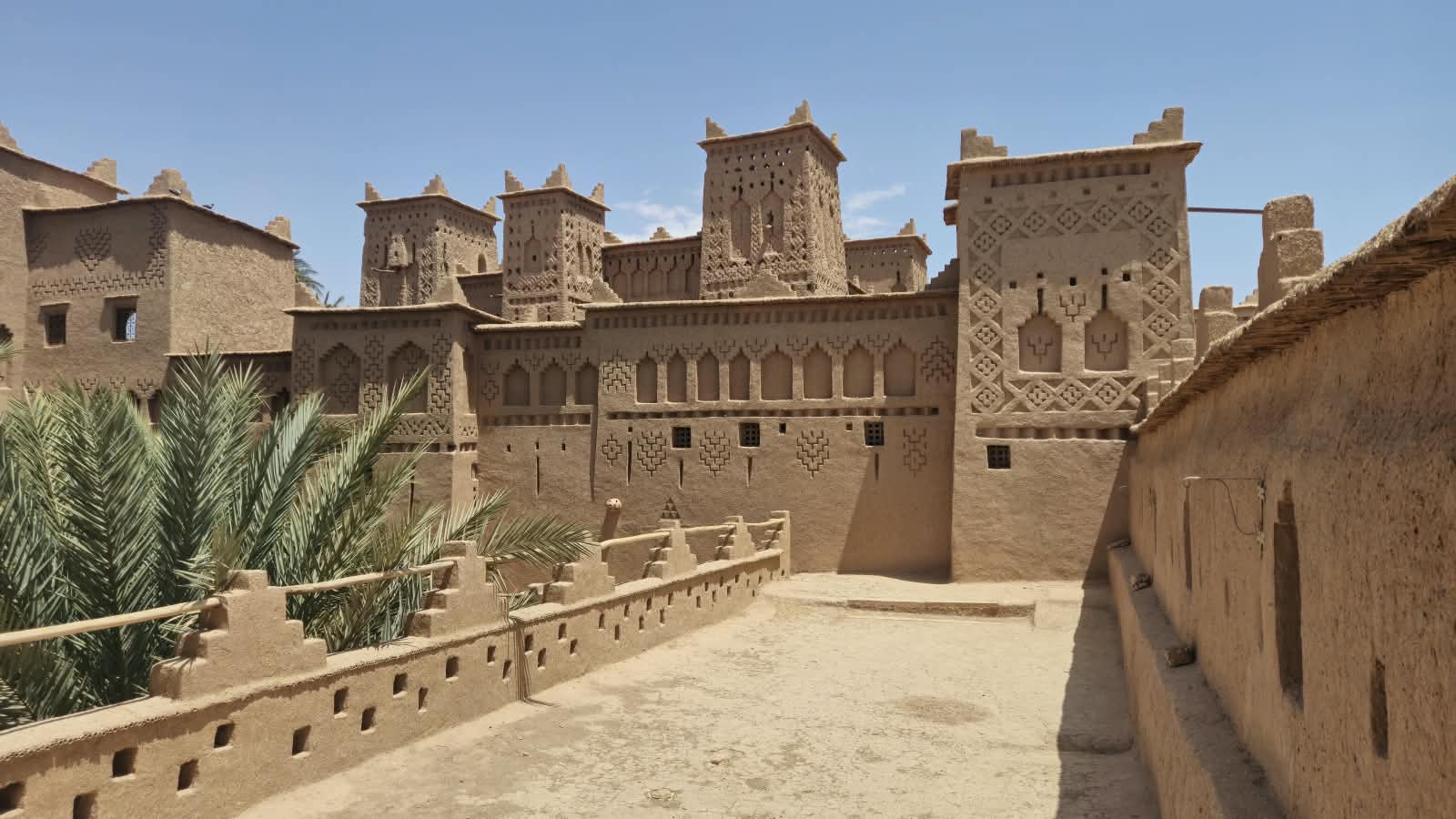
The Road of 1000 Kasbahs in Morocco is one of the most fascinating scenic routes in the country. This historic journey takes travelers through the landscapes of southern Morocco, where ancient kasbahs, fortified villages, green oases, dramatic mountains, and desert valleys create some of the most beautiful scenery in the country.
The route is especially famous for its traditional mud-brick kasbahs, palm-filled valleys, and spectacular landscapes between Ouarzazate, Skoura, the Valley of Roses, Dades Valley, and Tinghir.
Despite its famous name, the "Road of 1000 Kasbahs" does not mean that there are exactly one thousand kasbahs along one single road. The expression is used to describe a wider region rich in traditional fortified architecture.
For travelers exploring Morocco by car, this route offers an opportunity to experience a different side of the country away from the major cities.
The Road of 1000 Kasbahs is a scenic route through the south of Morocco, particularly through the valleys and oases between the High Atlas Mountains and the Sahara.
The route passes through areas known for their traditional architecture and beautiful landscapes, including:
Ouarzazate
Skoura Oasis
Valley of Roses
Boumalne Dades
Dades Valley
Todra Gorge
Tinghir
Along the way, travelers can see hundreds of traditional earthen buildings, including kasbahs, ksour, and fortified villages.
The route is not simply about sightseeing. It is also a journey through the history, architecture, culture, and traditional way of life of southern Morocco.
The name comes from the large number of kasbahs and fortified settlements found throughout the region.
A kasbah is traditionally a fortified residence or building, often associated with local families, tribal leaders, or important communities. Many were constructed using rammed earth and mud bricks, materials that were well suited to the dry climate of southern Morocco.
Over time, weather, lack of maintenance, and changes in traditional lifestyles have caused some kasbahs to deteriorate. Others have been restored and continue to attract visitors.
The name "Road of 1000 Kasbahs" therefore represents the remarkable concentration of traditional architecture found across this part of Morocco.
The route is located in southern Morocco, on the edge of the High Atlas Mountains.
One of the most popular ways to experience it is by traveling from Ouarzazate toward Skoura, the Valley of Roses, Dades Valley, and Tinghir, before continuing toward the Sahara Desert.
Many travelers also combine the route with a journey from Marrakech to Merzouga.
A typical itinerary can be:
Marrakech → High Atlas Mountains → Ait Ben Haddou → Ouarzazate → Skoura → Valley of Roses → Dades Valley → Todra Gorge → Merzouga
This route combines historic kasbahs, mountain scenery, valleys, gorges, and the Sahara Desert.
Ouarzazate is often considered an important gateway to the Road of 1000 Kasbahs.
Known for its dramatic desert landscapes and film studios, Ouarzazate is surrounded by traditional kasbahs and oasis landscapes.
The city is also an important stop between Marrakech and the desert.
From Ouarzazate, travelers can continue toward Skoura and the Dades Valley, following the landscapes that make the Road of 1000 Kasbahs famous.
Although Ait Ben Haddou is not always considered part of the central section of the Road of 1000 Kasbahs, it is commonly included in trips through southern Morocco.
The Ait Ben Haddou Ksar is one of the country's most famous examples of traditional earthen architecture.
Its collection of fortified houses, narrow streets, towers, and walls creates an impressive view against the surrounding landscape.
It is also an important cultural attraction and has been used as a filming location for several international productions.
For travelers starting from Marrakech, visiting Ait Ben Haddou before continuing toward Ouarzazate is a popular way to begin a Road of 1000 Kasbahs journey.
One of the most beautiful sections of the route is the Skoura Oasis.
Skoura is famous for its palm groves, agricultural fields, and traditional kasbahs.
The contrast between the green oasis and the surrounding dry landscape is spectacular.
One of the best-known kasbahs in the area is Kasbah Amridil.
Kasbah Amridil is one of the most famous historic kasbahs in southern Morocco.
The kasbah provides visitors with an opportunity to see traditional architecture and understand how people lived in these fortified buildings.
Its towers, courtyards, rooms, and traditional features make it an important stop for travelers interested in Moroccan history and architecture.
Visiting a kasbah such as Amridil helps explain why this region became known as the Road of 1000 Kasbahs.
Continuing east from Skoura, travelers reach the Valley of Roses.
The valley is known for its rose cultivation, especially around the area of Kelaat M'Gouna.
During the flowering season, the landscape and local agriculture become closely associated with roses.
Local products made from roses include rose water, soaps, creams, and other traditional cosmetic products.
The valley is also surrounded by dramatic mountains and traditional villages, making it another beautiful part of the journey.
The Dades Valley is one of the main highlights of the Road of 1000 Kasbahs.
The valley is famous for its red rock formations, green agricultural areas, traditional villages, and spectacular mountain scenery.
Travelers can stop in the valley to explore traditional kasbahs, walk through the countryside, or enjoy views of the surrounding mountains.
The famous Monkey Fingers rock formations are also found in the Dades Valley area.
These unusual geological formations are popular with travelers interested in photography and hiking.
The Dades Gorge is another spectacular part of the route.
The road passes between dramatic rock walls and through narrow sections of the valley.
One of the most famous viewpoints is associated with the winding Tisdrine road, where a series of sharp bends climb through the mountains.
This is one of the most recognizable landscapes in the Dades region and a popular photography stop.
After Dades Valley, many travelers continue toward Tinghir and Todra Gorge.
Todra Gorge is famous for its enormous limestone cliffs and narrow canyon.
The area is popular with hikers, photographers, climbers, and travelers exploring southern Morocco.
The contrast between the huge rock walls and the green oasis around Tinghir makes this one of the most impressive landscapes on the route.
One of the most interesting aspects of the Road of 1000 Kasbahs is the traditional architecture.
Many kasbahs were constructed from earth, mud brick, and rammed earth.
These materials helped provide insulation against the hot summers and cold nights of the region.
Traditional kasbahs often feature:
Decorative geometric patterns
Towers at the corners
Small windows
Thick walls
Courtyards
Wooden doors
Decorative earthen facades
The architecture is closely connected to the environment and the history of the communities that lived in these valleys.
Travelers often hear the terms kasbah and ksar when visiting southern Morocco.
A kasbah generally refers to a fortified residence or complex, often associated with a family or local authority.
A ksar is traditionally a fortified village or settlement containing multiple houses and communal spaces.
Both are important parts of the architectural heritage of southern Morocco.
A journey through the Road of 1000 Kasbahs allows visitors to see both types of traditional settlements.
The route can be visited throughout the year, but spring and autumn are particularly comfortable for a road trip.
Spring brings pleasant temperatures and greener landscapes in some valleys.
Autumn is also a good period for exploring the region, particularly for travelers who want to combine sightseeing with hiking.
Summer can be very hot in southern Morocco, especially during the middle of the day.
Winter can bring cold temperatures, particularly at night and in the mountains.
The Road of 1000 Kasbahs can be experienced in different ways depending on your travel plans.
If you are simply driving through the region, you can see several highlights in one or two days.
However, spending two nights in the Dades Valley allows you to explore the area at a more relaxed pace.
You can combine sightseeing with hiking, visit traditional villages, and explore the surrounding landscapes.
A longer itinerary also gives you more time to visit Skoura, the Valley of Roses, Dades Valley, and Todra Gorge.
One of the most popular ways to experience the route is by combining it with a Morocco Sahara Desert tour.
After exploring the kasbahs and valleys, travelers can continue toward Merzouga.
The landscape gradually changes as you travel east.
The green valleys and mountain scenery eventually give way to the rocky landscapes of the pre-Sahara and finally the sand dunes of Erg Chebbi.
In Merzouga, travelers can enjoy a camel ride, watch the sunset over the dunes, and spend a night in a desert camp.
This combination makes the journey particularly attractive because it brings together Moroccan architecture, mountains, valleys, and desert landscapes in one trip.
For travelers interested in Moroccan culture, history, architecture, nature, photography, and road trips, the Road of 1000 Kasbahs offers a wide variety of experiences.
It is not just one attraction.
It is a journey through a landscape where traditional architecture is closely connected to the valleys, mountains, oases, and communities of southern Morocco.
Instead of rushing through the region, take time to stop at the kasbahs, walk through the valleys, meet local people, and enjoy the scenery.
If you are planning a trip from Marrakech toward the Sahara, you could follow this route:
Cross the High Atlas Mountains and Tizi n'Tichka Pass.
Visit Ait Ben Haddou before continuing to Ouarzazate.
Travel through Skoura Oasis and visit Kasbah Amridil.
Continue through the Valley of Roses toward Dades Valley.
Spend the night in the Dades area.
Explore the Dades Valley, Monkey Fingers, and traditional villages.
You can also enjoy a hiking experience with a local guide.
Continue toward Todra Gorge or spend another night in Dades.
Continue through Todra Gorge, Erfoud, and the desert landscapes toward Merzouga.
Enjoy a camel ride and sunset in the Sahara.
Spend the night at a desert camp.
This itinerary is only one example. Travelers who prefer a slower journey can add additional nights in Dades Valley or Skoura.
The route is about the journey, not simply reaching the destination.
Stop regularly to enjoy the scenery and visit local places.
If you plan to explore kasbahs, villages, or hiking trails, comfortable walking shoes are recommended.
The climate can be dry, especially during warmer months.
Many villages along the route are still active communities rather than tourist attractions.
Ask permission before photographing people, especially children.
A local guide can explain the history of the kasbahs, villages, agriculture, and traditions that you may otherwise miss.

Comments