
+212772661260
info@triptikum.com
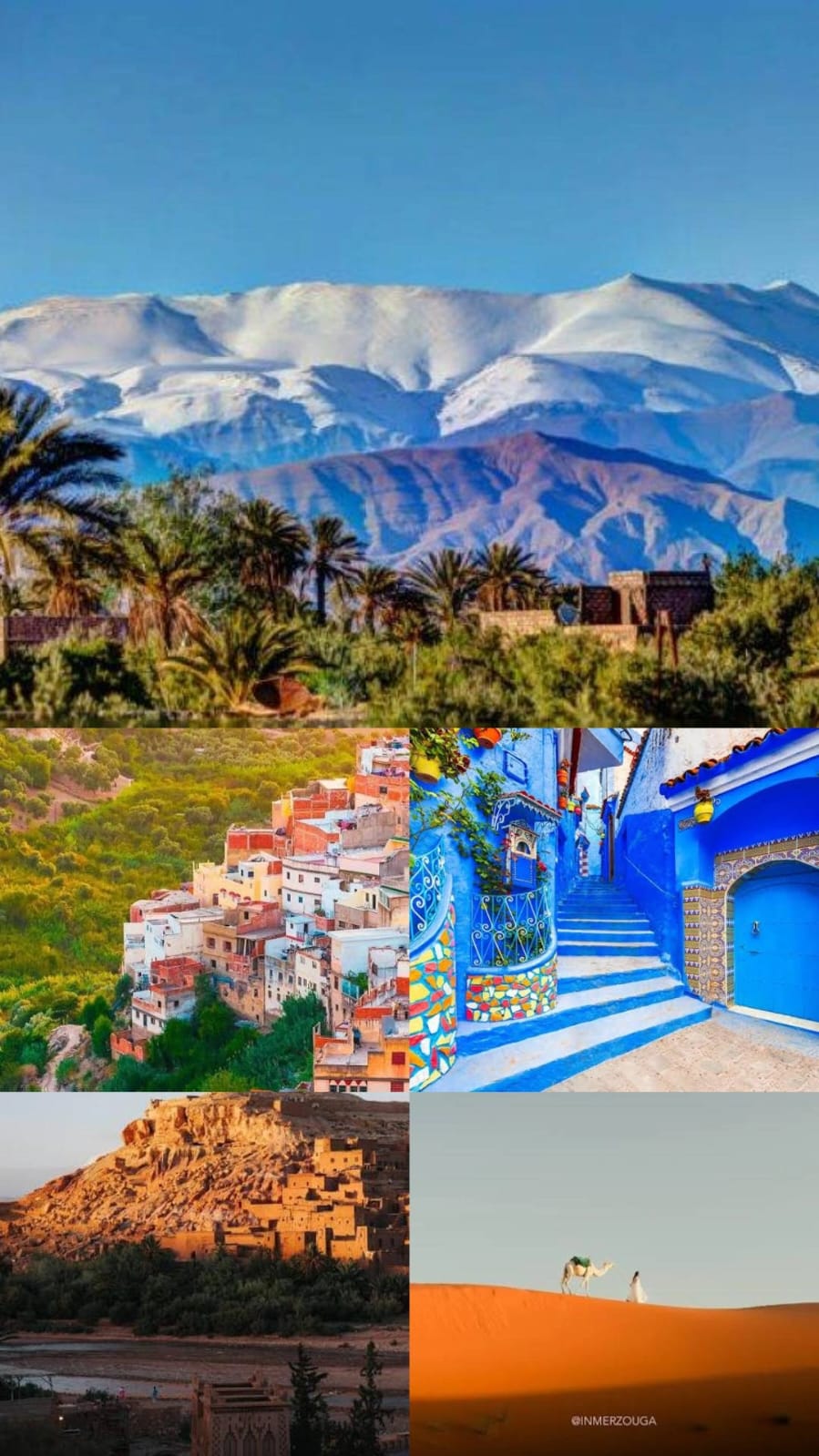
Morocco is a destination that can be enjoyed throughout the year, but the travel experience can change significantly depending on the season. From the lively medinas of Marrakech and Fes to the beaches of Agadir and Essaouira, the Atlas Mountains and the Sahara Desert, each period offers different advantages for travelers.
Understanding Morocco’s high season, low season, and shoulder seasons can help visitors choose the right time based on weather, budget, activities, and the type of experience they want.
The high tourism season in Morocco generally corresponds to the periods when weather conditions are most comfortable and international demand is strongest. In particular, spring and autumn are popular for sightseeing, cultural tours, desert excursions, and city breaks.
Spring is one of the most attractive times to visit Morocco. Temperatures are generally pleasant, landscapes become greener, and conditions are particularly suitable for exploring cities and traveling through the countryside.
The Moroccan National Tourist Office describes spring as mild and pleasant, with temperatures around 23–26°C in Agadir and Marrakech.
This season is ideal for:
Because spring is popular, travelers should expect higher demand for accommodation and tours, particularly around major holidays and popular destinations.
Autumn is another excellent period for tourism in Morocco. Temperatures become more comfortable after the summer heat, especially in inland destinations.
The Moroccan National Tourist Office describes autumn as a relatively calm season, with cooler temperatures inland while coastal areas can remain suitable for swimming.
For many travelers, September through November offers an excellent balance between pleasant weather and a more relaxed atmosphere.
Autumn is especially suitable for:
The official tourism office also recommends spring and autumn for visiting the Sahara, when conditions are more comfortable than during the hottest part of summer.
The low season generally refers to periods when tourist demand is lower. However, it is important to remember that Morocco does not have one single low season across the entire country.
Morocco has several different climate zones. Coastal areas, cities, mountains and the Sahara can experience very different conditions at the same time.
For many inland destinations, the hottest summer months and parts of winter can be considered quieter periods, although demand varies considerably by destination.
Summer can be a challenging period for sightseeing in Morocco's inland and southern regions because temperatures can become very high.
The Moroccan National Tourist Office notes that summer heat is moderated by sea breezes along the coast, while areas south of the High Atlas can experience average temperatures around 38°C.
For this reason, travelers visiting Marrakech, Ouarzazate or the desert during summer should plan activities carefully, particularly during the middle of the day.
However, summer is not necessarily a bad time to visit Morocco.
The Moroccan coast can be an excellent alternative. Destinations such as Agadir and Taghazout benefit from the influence of the Atlantic Ocean and generally offer more moderate conditions than the interior.
Agadir is particularly well known for its sunny climate and seaside tourism, with the Moroccan National Tourist Office highlighting approximately 300 days of sunshine per year.
Summer can therefore be a good choice for:
Winter is another period when tourism patterns change.
Morocco's winter is not uniformly cold. Coastal destinations such as Agadir can remain relatively mild, while the mountains can be cold and snowy.
This makes winter an interesting season for travelers who want something different.
Visitors can enjoy:
Winter can also be a good choice for travelers looking for a warmer alternative to northern European winters, particularly along the Moroccan coast.
For many travelers, the shoulder seasons—roughly March–May and September–November—offer the best overall balance.
You can often enjoy:
Pleasant weather + fewer crowds than the busiest periods + a wide choice of activities
These months are particularly attractive for travelers who want to combine several Moroccan experiences in one trip.
For example, a two-week itinerary could include:
Marrakech → Atlas Mountains → Aït Ben Haddou → Sahara Desert → Fes → Chefchaouen
Spring and autumn are generally particularly suitable for this kind of itinerary because travelers can explore both urban and outdoor attractions without facing the most intense summer heat.
| Season | Typical period | Weather | Crowds | Best for |
|---|---|---|---|---|
| High / Peak periods | Spring & autumn | Mild to warm | Higher | Tours, culture, desert |
| Shoulder season | Early spring / late autumn | Pleasant | Moderate | Road trips & sightseeing |
| Summer | June–August | Very hot inland; milder coast | Varies | Beaches, surfing, mountains |
| Winter | December–February | Mild coast, cold mountains | Generally lower in some areas | City breaks, coast, skiing |
These are broad tourism patterns rather than fixed national seasons; conditions and demand vary by destination.
If the Sahara is the main reason for your trip, spring and autumn are among the best choices.
The official Moroccan tourism authority specifically recommends spring and autumn for desert travel.
During these seasons, travelers can enjoy activities such as:
Summer can be extremely hot, while winter nights in the desert can be surprisingly cold. Choosing the right season therefore makes a significant difference to the experience.
Travel costs in Morocco can vary according to destination, accommodation type, holidays, events and demand. Generally, traveling during quieter periods can provide better value and greater flexibility, particularly when booking accommodation and tours.
Another advantage is that visitors may encounter fewer tourists at certain attractions and enjoy a more relaxed travel experience.
However, low season does not automatically mean that every hotel, flight or tour will be cheaper. Prices should always be compared for the specific destination and travel dates.
Marrakech, Fes, Chefchaouen, Atlas Mountains and the Sahara
Spring is excellent for combining cities, nature and desert experiences.
Agadir, Taghazout, Essaouira and other coastal destinations
The Atlantic coast is particularly attractive when inland temperatures become very high. Morocco's tourism authority notes that coastal areas benefit from maritime influences and sunshine throughout the year.
Marrakech, Fes, Sahara, Atlas Mountains and Atlantic coast
Autumn is one of the most versatile periods for traveling around Morocco.
Agadir, Marrakech, Fes, coastal destinations and the mountains
Winter offers a fascinating contrast: visitors can enjoy relatively mild coastal weather while mountain areas experience cold and snow.
There is no single best season for Morocco. The answer depends on what you want to do.
For sightseeing and cultural tours: choose spring or autumn.
For the Sahara Desert: spring or autumn are particularly recommended.
For beaches and surfing: summer is excellent on the Atlantic coast, while destinations such as Agadir can also be attractive outside summer.
For fewer tourists: consider winter or quieter periods outside the main spring and autumn demand.
For mountain activities: summer can be suitable for hiking, while winter brings snow to some mountain areas.
The great advantage of Morocco is its geographical diversity. The country combines the Atlantic and Mediterranean coasts, mountains, cities and desert landscapes, creating very different travel experiences throughout the year.
Whether you travel during the busy spring season, the warm summer months, the peaceful autumn period or winter, Morocco offers something different in every season.
For first-time visitors planning a classic Morocco itinerary, spring and autumn are arguably the safest all-around choices. But if your priority is sunshine and the beach, summer on the Atlantic coast may be perfect, while winter can offer an appealing combination of mild coastal weather, cultural exploration and mountain scenery.
Ultimately, the best time to visit Morocco is the season that matches your destination, activities and travel style.
Planning a trip to Morocco? Start by choosing your experience—desert, city, mountains, beach, culture, or a combination of all five—and then select the season that best suits it.

Comments