
+212772661260
info@triptikum.com
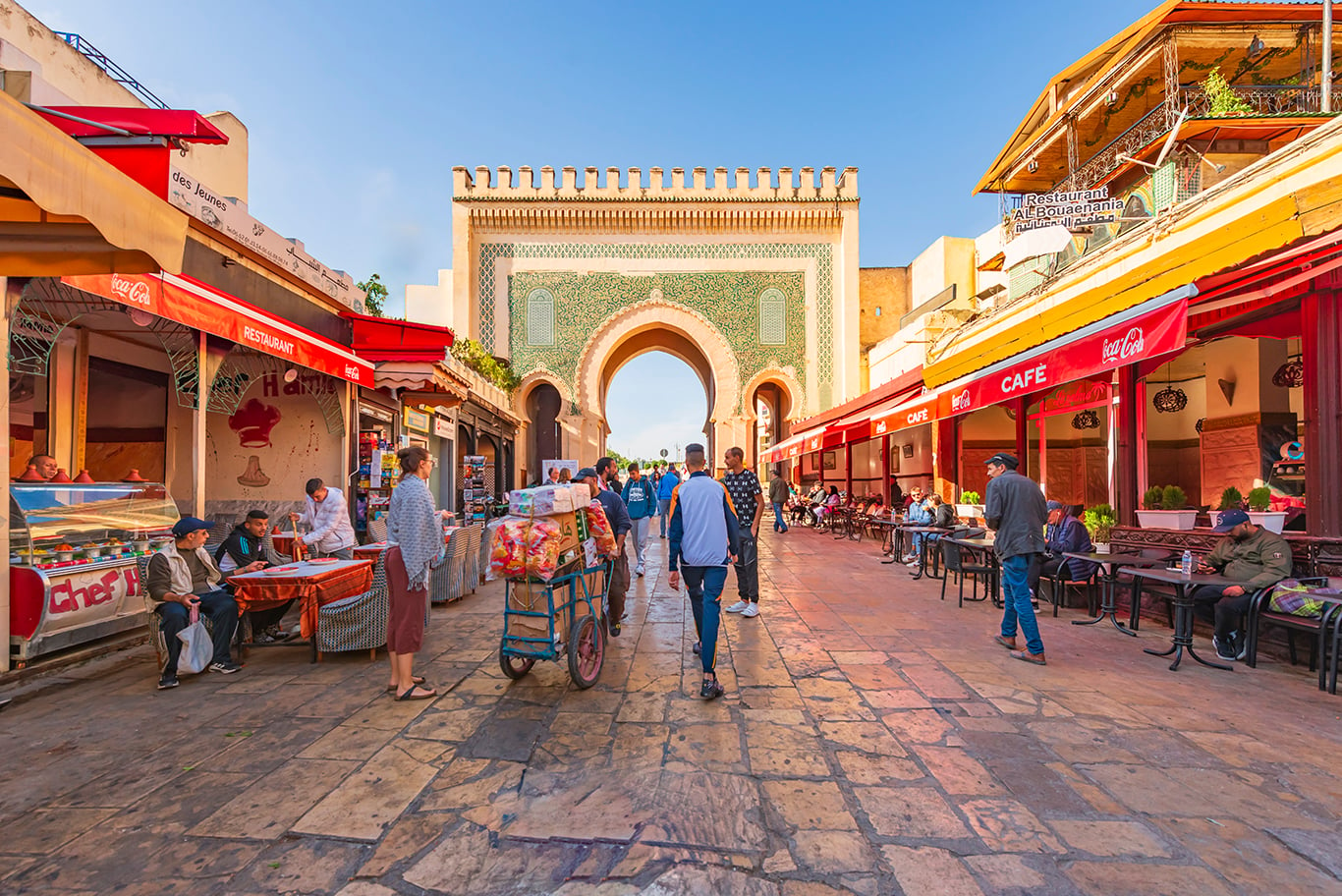
Fes, Morocco, is one of the country's most fascinating cities and one of the best places to experience Moroccan history, culture, architecture, food, and traditional crafts.
Known as Morocco's spiritual and cultural center, Fes is home to the famous Fes el-Bali medina, a UNESCO World Heritage Site filled with narrow streets, historic madrasas, traditional souks, artisan workshops, mosques, fountains, and old riads.
Unlike Marrakech, which is known for its lively atmosphere and famous Jemaa el-Fna square, Fes offers a deeper connection with Morocco's medieval history. The city rewards travelers who take their time and explore beyond the main tourist attractions.
If you are planning a trip to Morocco, this Fes Morocco travel guide will help you understand what to see, what to do, how long to stay, and how to make the most of your visit.
Fes is one of Morocco's imperial cities and has more than a thousand years of history. The city was founded in the late 8th and early 9th centuries and reached an important period of development under the Marinid dynasty in the 13th and 14th centuries. UNESCO describes the Medina of Fez as one of the best-preserved historic towns of the Arab-Muslim world.
Fes is a great destination if you are interested in:
Moroccan history
Traditional architecture
Medieval cities
Local handicrafts
Moroccan food
Traditional markets
Islamic and Andalusian architecture
Jewish heritage
Photography
Cultural experiences
The city is also an excellent stop on a Morocco itinerary connecting Casablanca, Chefchaouen, Fes, Merzouga, and Marrakech.
There are many places to visit in Fes, but the following attractions should be at the top of your list.
The first thing to do in Fes is explore its historic medina.
Fes el-Bali is the oldest part of the city and the heart of the Fes experience. Its streets are filled with traditional shops, food stalls, workshops, historic buildings, and everyday local life.
The medina was inscribed on the UNESCO World Heritage List in 1981. Its urban fabric and many important monuments reflect centuries of Moroccan history.
Walking through Fes el-Bali can feel like traveling back in time.
You will see craftsmen working with leather, metal, wood, ceramics, textiles, and other traditional materials. The Moroccan National Tourist Office describes the medina as a place where many traditional crafts continue to be practiced.
Do not try to visit every street.
The medina is large and complicated, so choose several important places and leave some time simply to enjoy the atmosphere.
Bab Boujloud is one of the most recognizable entrances to Fes el-Bali.
The famous gate is decorated with beautiful blue and green zellige tiles and provides a spectacular introduction to the old city.
It is also a convenient starting point for exploring the medina. The Moroccan National Tourist Office identifies Bab Boujloud as the easiest entrance into Fes el-Bali.
From here, you can walk deeper into the medina and discover the traditional streets and souks.
The Chouara Tanneries are among the most famous attractions in Fes.
Leather has been produced in Fes for centuries, and the traditional tanning process remains an important part of the city's identity.
From nearby terraces, visitors can see the large stone dyeing vats where leather is processed and colored.
The smell can be strong, especially during hot weather, so do not be surprised if someone offers you fresh mint to help with it.
The tanneries are one of the best places to see traditional Moroccan craftsmanship in action.
Bou Inania Madrasa is one of the most impressive examples of Marinid architecture in Fes.
Inside, you can admire:
Zellige tilework
Carved cedar wood
Detailed stucco decoration
Traditional Moroccan architecture
A beautiful courtyard
It is located in the medina near Bab Boujloud and is one of the historic buildings that travelers should not miss.
If you enjoy architecture and photography, allow enough time to appreciate the details rather than simply taking a quick photo.
Another beautiful historic building is the Al-Attarine Madrasa.
This former Islamic school is famous for its detailed decoration, including zellige, carved wood, and stucco.
It is smaller than some other monuments in Fes, but its decoration makes it one of the city's most beautiful architectural attractions.
Al-Qarawiyyin is one of the most important religious and educational institutions in Fes.
According to the Moroccan National Tourist Office, the site is associated with the city's long intellectual tradition and is commonly described as the oldest university in the world.
Non-Muslim visitors cannot enter the mosque for worship, but you can appreciate the architecture from permitted areas around the building.
Its importance is not only architectural. Al-Qarawiyyin represents the long intellectual and religious history that helped make Fes the cultural and spiritual center of Morocco.
Nejjarine is another beautiful part of the medina.
The area is known for its traditional woodworking heritage and its impressive fountain.
The Nejjarine Museum of Wooden Arts and Crafts is housed in a beautifully restored historic building and offers visitors an opportunity to learn more about Moroccan woodworking and traditional craftsmanship.
It is a good place to combine culture, architecture, and local crafts during your walk through the medina.
Fes is not only about Islamic and Arab-Andalusian heritage.
The city also has an important Jewish history, particularly in the Mellah, the historic Jewish quarter.
Walking through the Mellah gives you a different perspective on the history of Fes and the different communities that have contributed to the city's culture.
You can see traditional architecture, old streets, balconies, and historic sites connected with the Jewish community.
If you are interested in Moroccan history, the Mellah is worth adding to your itinerary.
The Royal Palace of Fes is located in Fes el-Jdid.
Visitors generally cannot enter the palace itself, but the impressive golden gates are one of the city's most popular photography spots.
The detailed doors and zellige decoration demonstrate the importance of traditional Moroccan craftsmanship.
Stop here for photographs before continuing toward the Mellah.
For one of the best panoramic views of Fes, head to the hills above the medina and the area around the Marinid Tombs.
From here, you can see the dense buildings of Fes spreading across the valley.
The view is especially beautiful around sunset when the city begins to change color.
Bring your camera because this is one of the best places to photograph the entire Fes medina from above.
Shopping in Fes is more than simply buying souvenirs.
The medina contains traditional workshops where artisans produce leather goods, ceramics, metalwork, textiles, carpets, woodwork, and other Moroccan products.
Take your time and watch how craftsmen work.
If you want to buy something, compare prices in several shops before making a decision.
Remember that bargaining is part of the shopping experience in many Moroccan souks.
Fes is also famous for Moroccan cuisine.
One of the best ways to understand the city is through its food.
Try traditional dishes such as:
Chicken pastilla
Moroccan tagine
Couscous
Harira
Moroccan salads
Fresh bread
Mint tea
Moroccan pastries
Pastilla, especially the traditional version made with chicken, almonds, eggs, and delicate pastry, is strongly associated with Fassi cuisine.
For lunch or dinner, you can choose between a traditional restaurant, a riad restaurant, or a simple local place.
If you are unfamiliar with local food hygiene, choosing a busy and well-established restaurant is usually a comfortable option.
For most travelers, two full days in Fes is a good amount of time.
One day is possible if you are short on time, but you will need to focus on the main attractions.
Prioritize:
Bab Boujloud
Fes el-Bali
Chouara Tanneries
Bou Inania Madrasa
Al-Attarine Madrasa
Al-Qarawiyyin area
Traditional souks
Two days is much better.
You can explore the medina without rushing and also visit:
Mellah
Royal Palace gates
Nejjarine Museum
Marinid Tombs
Additional artisan workshops
Local restaurants
Three days is ideal if you want to explore slowly or include a day trip outside the city.
You could combine Fes with a visit to Volubilis and Meknes, depending on your itinerary.
This is one of the most common questions travelers ask.
You can visit Fes without a guide, but having a knowledgeable local guide can make the experience easier and more informative.
The medina is large and has many narrow streets, historic monuments, workshops, and hidden corners.
A guide can explain:
The history of Fes
Moroccan architecture
The meaning of zellige designs
Traditional crafts
The history of the medina
Jewish heritage
Local traditions
If you prefer independent travel, you can explore the main areas yourself.
However, for a first visit, a 2–3 hour guided walk through the medina can be a good way to understand the city before continuing independently.
Fes can be visited throughout the year, but spring and autumn are particularly comfortable for walking around the medina.
Spring offers pleasant temperatures and is a good time for sightseeing.
Summer can be very hot, especially during the middle of the day. Start sightseeing early and take breaks during the afternoon.
Autumn is another comfortable season for exploring the city.
Winter can be cool, especially at night. Bring warmer clothing if you are staying in a traditional riad.
Fes is a traditional Moroccan city, so modest and comfortable clothing is a good choice.
You should also wear comfortable shoes.
This is particularly important because you will probably spend several hours walking through the medina.
Recommended:
Comfortable walking shoes
Lightweight trousers or long skirts
A comfortable shirt
Sunglasses
Sunscreen
A light jacket depending on the season
For the full Fes experience, staying in or near the medina is a popular choice.
A traditional riad can make your stay more memorable because many riads are built around beautiful interior courtyards.
Staying close to Bab Boujloud can also be convenient for first-time visitors because it provides easy access to the old medina.
If you prefer modern hotels, Ville Nouvelle offers a different atmosphere with wider streets, modern restaurants, cafés, and easier vehicle access.
Here are some simple tips to make your trip easier:
The medina is easier to explore in the morning before the busiest hours.
You will walk a lot.
Small shops and food stalls may not accept cards.
If you want a guide, arrange one through a reputable company or an official channel rather than accepting offers from strangers who approach you.
Fes is not a city to rush through.
Some of the best experiences come from walking slowly, watching artisans work, discovering small streets, and enjoying Moroccan food.
Dress respectfully and follow the rules when visiting religious and historic sites.
Both cities are excellent, but they offer different experiences.
Choose Fes if you want:
History
Traditional crafts
A medieval atmosphere
Historic architecture
Cultural experiences
A quieter experience than Marrakech's main tourist areas
Choose Marrakech if you want:
Lively nightlife
Jemaa el-Fna
Large souks
Gardens
Palaces
A more energetic atmosphere
If you have enough time, you do not have to choose.
A Morocco itinerary can easily include both Fes and Marrakech.
If you are staying for three days or more, consider exploring the surrounding region.
Volubilis is an important Roman archaeological site and a fascinating addition to a Fes itinerary.
Meknes is another imperial city and can be combined with Volubilis for a full-day excursion.
The famous blue city of Chefchaouen is another popular destination from Fes. However, it is better to dedicate a full day to the city rather than trying to visit it in only a few hours.
Absolutely.
Fes is one of the best destinations in Morocco for travelers who want to understand the country's history and traditional culture.
The city is not always as easy to understand as Marrakech. Its medina can feel confusing, busy, and sometimes overwhelming.
But that is also what makes Fes special.
Behind every narrow street, you can discover a traditional workshop, an old fountain, a beautiful doorway, a historic madrasa, or a small restaurant.
The Medina of Fez is not simply a tourist attraction. It is a living historic city, and UNESCO recognizes its exceptional cultural and architectural importance.

Comments